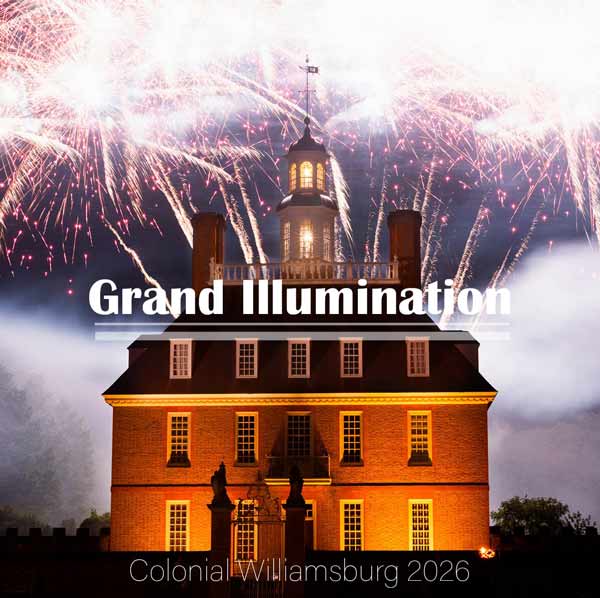




Colonial Williamsburg First 100 Years Exhibit – Opens February 28 in the Art Museum of Colonial Williamsburg
Colonial Williamsburg First 100 Years Exhibit
Opening February 28, 2026 | This exhibition will be on view in the Henry H. Weldon Gallery.
Art Museum of Colonial Williamsburg
🎉 Step Into 100 Years of History—With a Twist! 🎉
Opening February 28, 2026, a brand-new exhibition, Colonial Williamsburg: The First 100 Years, invites families to explore how one bold idea grew into the world’s largest living history museum. The exhibition will be on view in the Henry H. Weldon Gallery and is made possible through the generous support of Don and Elaine Bogus.
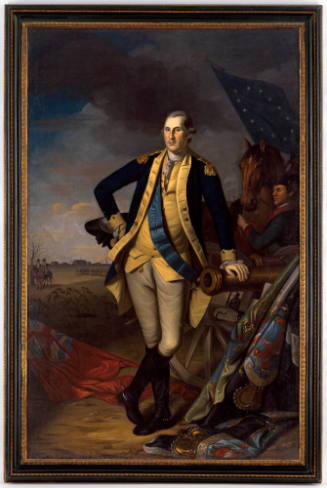
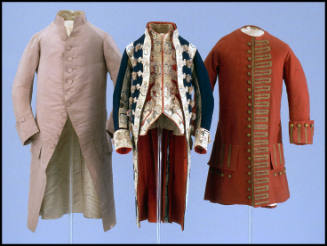


As the nation observes its Semiquincentennial in 2026, The Colonial Williamsburg Foundation is also celebrating its own 100-year history — a story that reflects a century of change in America itself. A new exhibition at the Art Museums of Colonial Williamsburg, entitled Colonial Williamsburg: The First 100 Years, explores the origins, evolution and impact of this unique organization that today operates the world’s largest U.S. history museum.
From its groundbreaking preservation efforts to its evolving interpretations of America’s rich shared history and founding ideals, Colonial Williamsburg has often mirrored — and sometimes led — national conversations. One constant has driven the Foundation throughout its history: Everything it produces is grounded in ongoing research. Colonial Williamsburg: The First 100 Years explores the Foundation’s journey through that same lens using primary documents, objects and archival imagery to bring Colonial Williamsburg’s own history to life.
The exhibition opens in the Art Museums’ 2,500-square-foot Weldon Gallery on Feb. 28, 2026, and will showcase more than 200 objects including decorative art, folk art and archival material.
Highlighting 100 years of history in one exhibition took Neal Hurst, curator of textiles and historic dress, and Katie McKinney, the Margaret Beck Pritchard Curator of Maps, several years. They took over the project, which former Deputy Chief Curator Margaret Pritchard began in 2021, continuing work on the exhibition after Pritchard’s retirement in 2024.
“It has been a joy to research, seek out objects, rediscover Colonial Williamsburg’s history and talk to people who have worked for the Foundation, all of which culminates in this exhibition. Like any exhibit, space is always limited, but visitors will walk away with an understanding of The Colonial Williamsburg Foundation’s impact on public history, as well as its influence on preservation, collecting and education around the world,” Hurst said.
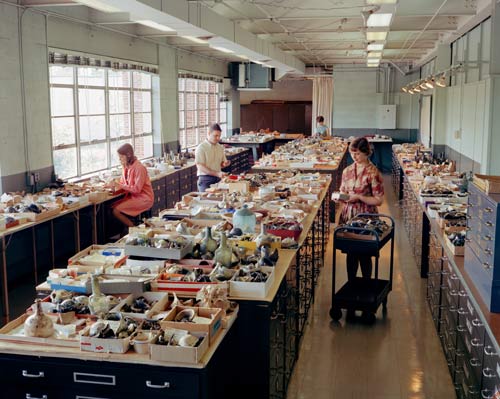
artifacts in the archaeology lab, photo by Jane Iseley, October 20, 1970.
Added McKinney, “After 100 years, Colonial Williamsburg has become historic in its own right. Our colleagues across the Foundation, past and present, made this exhibition a reality. They shared their stories, expertise and lent objects. We were fascinated by how we continue to build upon the foundations laid out by the work of our predecessors. Time and again we were reminded of our motto: ‘That the future may learn from the past.’ Ultimately, the exhibition is about the people who have nurtured and built upon the Rev. Dr. W.A.R. Goodwin’s dream for the past century.”
Designed to be experienced chronologically, the exhibition begins with a look at communities and institutions who called Williamsburg home after Virginia’s capital was moved to Richmond in 1780. It offers a look at what inspired the Rev. Dr. W.A.R. Goodwin to envision Williamsburg’s restoration to its 18th-century appearance and John D. Rockefeller Jr.’s decision to support the project.
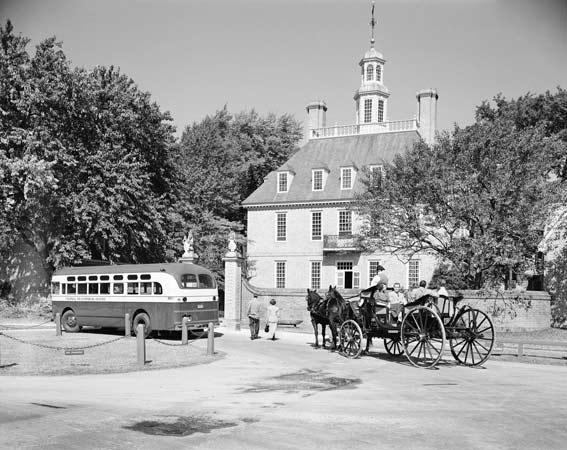
Beginning with Rockefeller’s initial purchase of the Ludwell-Paradise house in 1926, the exhibition traces Colonial Williamsburg’s evolution from a patriotic preservation project to its current iteration as a premier educational organization that operates the world’s largest U.S. history museum. The exhibition explores Colonial Williamsburg’s research in interpretation, trades, preservation techniques and other aspects of the Foundation’s work over the decades. Each section includes maps, prints and photographs from Colonial Williamsburg’s extensive archival collection, including aerial images of Williamsburg during the early years of the restoration and pictures of the men and women who restored and reconstructed the colonial capital city.
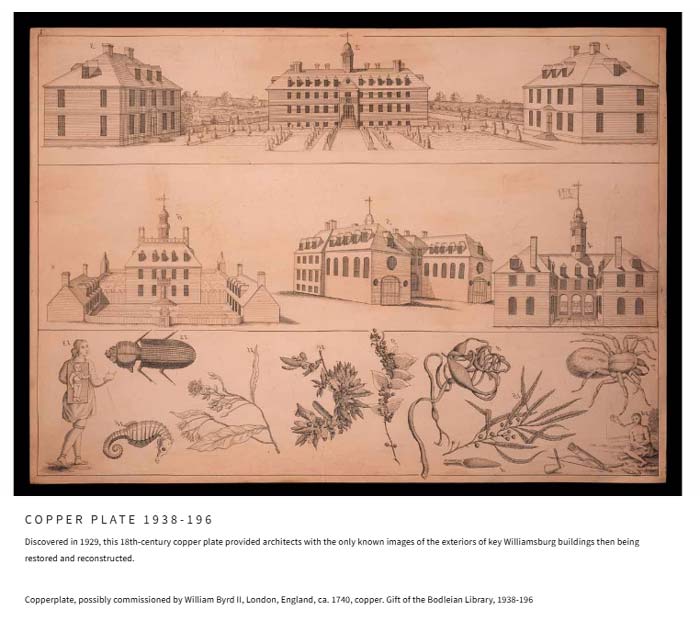
Curators sourced objects from archaeological, architectural and museum collections, as well as ordinary objects from across the Foundation. Among those featured is  The Bodleian Plate, known as “the cornerstone of the restoration” which was discovered in England in the 1920s and helped guide the reconstruction of the Capitol and Governor’s Palace; Dr. Goodwin’s Cane; George III’s Coat of Arms, which was once displayed in the Governor’s Palace; a Document Box that once held the treasured possessions of a formerly enslaved resident of Williamsburg; and a window sash removed during the preservation of the Williamsburg Bray School.
Other notable items on display:
- Ceramic objects from the collection that were buried in sand inside barrels for their safekeeping during WWII;
- A mid-20th century brick mold used to manufacture bricks in support of the restoration;
- A paint chip board displaying Colonial Williamsburg’s signature colors that was originally installed in the Foundation’s paint shop in 1950;
- An exhibit that explores the evolution of the interiors of the Governor’s Palace supper room, including samples of Chinese-painted wallpaper and ornate furnishings that had a major influence on American interior design;
- A view of the Ludwell-Paradise House, where in 1935 an exhibition of American folk art loaned by Abby Aldrich Rockefeller went on view, including “Washington and Lafayette at the Battle of Yorktown”; and
- A vignette from the Anderson House Archaeological Exhibit (1975-1983) that was designed to demystify the relatively new field of Historical Archaeology championed here at The Colonial Williamsburg Foundation.
The exhibition also includes several captioned videos and a touchscreen that allows guests to access short segments of several films produced by the Foundation that showcases its work in the digital space.
Visitors familiar with Colonial Williamsburg’s history will recognize props from the film Story of a Patriot; Felicity Merriman, the American Girl doll whose story is set in 18th-century Williamsburg; and several of the Foundation’s numerous Emmy Awards won for its educational video productions.
“The Foundation has led the field of public history for a century, and ‘Colonial Williamsburg: The First 100 Years’ traces that journey. As we celebrate America’s 250th anniversary and Colonial Williamsburg’s 100th, we welcome the nation — and the world — to join us throughout 2026 in honoring the past, engaging the present, and inspiring the future,” said Ron Hurst, chief mission officer for the
Foundation and chief curator for the Art Museums of Colonial Williamsburg.
Admission to the Art Museums of Colonial Williamsburg is free. Additional information about the art museums, The Colonial Williamsburg Foundation and admission to the historic sites within the Historic Area is available online at  colonialwilliamsburg.org,
🏛️ A must-see for history lovers, curious kids, and anyone who calls Williamsburg home! More Info
Art Museums of Colonial Williamsburg
301 S Nassau St, Williamsburg, VA 23185
Author